
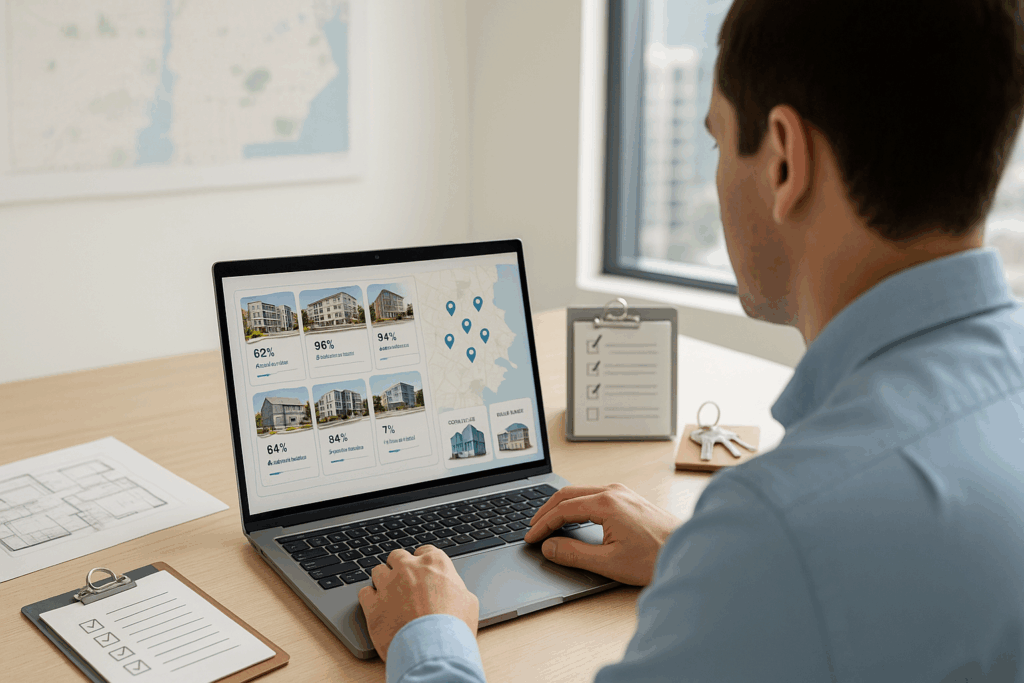
Multi-Property Management Strategies for Efficient Portfolio Growth
Multi-property management involves overseeing multiple residential or commercial properties simultaneously, streamlining operations, and maximizing returns for property owners. It requires a balance of tenant relations, maintenance coordination, financial oversight, and compliance with regulations. Effective multi-property management optimizes asset performance while ensuring a consistent experience for residents across all locations.
Experienced property managers use strategic planning and technology to handle diverse property types, from conventional apartments to affordable and senior housing. This approach reduces operational inefficiencies and helps maintain high occupancy rates.
Understanding the complexities of managing different properties under one umbrella is essential for investors and managers aiming to scale their portfolios. Mastering this can lead to increased profitability and long-term sustainability.
What Is Multi-Property Management?
Multi-property management involves overseeing several real estate assets simultaneously. It requires balancing tenant needs, maintenance, leasing, and financial responsibilities across various properties. Effective management depends on organization, systems, and strategic planning.
Definition and Key Concepts
Multi-property management is the administration of multiple rental properties owned by one entity or landlord. This management includes rent collection, tenant screening, coordinating maintenance, and financial reporting for all properties involved.
It demands efficient communication with tenants and property owners and uses technology tools to streamline operations. Unlike single-property management, it requires handling diverse tenant populations and property types efficiently while maintaining profitability across the portfolio.
Types of Properties Managed
Properties managed in multi-property settings often include single-family homes, duplexes, apartment buildings, and mixed-use complexes. These properties vary widely in scale, with management approaches adapting accordingly.
In some cases, the portfolio may focus on residential units, while others include commercial or mixed-use properties. The complexity increases with the number of units, size of buildings, and diversity of amenities, impacting maintenance and tenant relations efforts.
Benefits and Challenges
Managing multiple properties offers economies of scale, such as consolidated maintenance contracts and streamlined rent collection processes. It can boost overall investment returns by spreading risk across different locations and property types.
However, challenges include increased administrative tasks, compliance with varying local laws, and coordinating maintenance across diverse sites. Staffing and technology investment are essential to maintain service quality and tenant satisfaction throughout the portfolio.
Core Responsibilities in Multi-Property Management
Effective multi-property management requires a clear focus on tenant interactions, maintenance scheduling, and budget oversight. These elements are critical to sustaining property value and ensuring operational efficiency across multiple units.
Tenant Relations
Tenant relations begin with thorough tenant screening, which includes background checks and credit evaluations to secure reliable occupants. Property managers handle lease agreements, ensuring all terms comply with local laws and are clearly communicated.
Ongoing communication is essential. Managers address tenant concerns promptly and manage conflicts fairly to enhance tenant satisfaction and reduce turnover rates.
Regular tenant engagement activities, such as surveys or community events, help maintain positive relationships. Timely rent collection and transparent handling of late payments are also key responsibilities under tenant relations.
Property Maintenance Planning
Property maintenance involves scheduling routine inspections and preventive repairs to avoid costly emergency fixes. Multi-property managers coordinate with maintenance teams and contractors to address issues efficiently.
A well-organized maintenance plan prioritizes urgent repairs and plans seasonal upkeep, such as HVAC servicing or landscaping. This approach maintains property safety and preserves market value.
Managers use maintenance tracking systems to document repairs and schedule reminders. Proper planning minimizes disruption to tenants and ensures compliance with safety regulations.
Financial Oversight
Financial oversight in multi-property management includes budgeting, rent collection, and expense management. Managers monitor cash flow and control costs to maximize profitability.
Accurate financial reporting helps owners track income and expenditures across properties. Managers reconcile accounts and ensure timely payments for utilities, taxes, and vendor services.
Setting competitive rent prices based on market analysis ensures steady revenue. Managers also plan for capital improvements and reserve funds to cover large repairs or upgrades.
Essential Technology Solutions
Effective multi-property management relies on tools that streamline operations, centralize communication, and provide clear insights through data. These technologies reduce manual workload, improve tenant engagement, and support strategic decision-making.
Property Management Software
Property management software serves as the core platform for managing multiple rental properties. It integrates lease tracking, rent collection, maintenance requests, and financial accounting into one system.
Key features include:
- Portfolio Management: Handles multiple properties and units with ease.
- Automated Rent Processing: Enables electronic rent payments and reminders.
- Maintenance Coordination: Allows tenants to submit requests and managers to track work orders.
- Financial Reporting: Provides detailed income and expense reports, helping managers monitor cash flow and profitability.
The best software supports scalability and customization, adapting to diverse property types and owner preferences. Integration with other systems, such as marketing and tenant screening tools, is also crucial.
Centralized Communication Tools
Centralized communication tools unify messages between property managers, tenants, and service providers. These tools reduce miscommunication and accelerate response times.
Features often include:
- Multi-Channel Messaging: Combines email, SMS, and in-app notifications.
- Automated Alerts: Sends reminders for lease renewals, maintenance updates, and inspections.
- Tenant Portals: Gives residents access to important documents and support services.
- Service Provider Coordination: Streamlines repair scheduling and contractor communication.
By consolidating communication, managers enhance tenant satisfaction and operational efficiency while minimizing missed messages or delays.
Data Analytics and Reporting
Data analytics tools collect and analyze operational data to identify trends, optimize processes, and forecast performance. This capability is essential for informed decision-making in multi-property management.
Important aspects include:
- Performance Dashboards: Visualize key metrics such as occupancy rates, rent collection, and maintenance costs.
- Predictive Analytics: Forecast trends like tenant turnover or market demand.
- Compliance Monitoring: Tracks regulatory adherence and lease expirations.
- Custom Reporting: Generates tailored reports for owners or investors.
These analytics help managers prioritize resources, reduce costs, and grow their property portfolios strategically.
Optimizing Operational Efficiency
Efficiency in managing multiple properties is driven by reducing manual workload and creating consistent, repeatable processes. This approach saves time, lowers costs, and boosts overall productivity.
Automation of Routine Tasks
Automating repetitive tasks like rent collection, maintenance requests, and tenant communications reduces human error and frees staff for higher-value activities. Property management software often includes features such as automated reminders, online payment portals, and service ticket tracking.
Automation improves response times and ensures no tasks are overlooked. For example, automatic rent reminders help maintain steady cash flow, while digital maintenance logs speed up issue resolution. Integrating smart building technology can further streamline operations by enabling remote monitoring and alerts.
Property managers should select systems that integrate well with existing tools and provide real-time data to adjust workflows quickly.
Standardizing Procedures
Consistent procedures across properties create clarity and reliability for staff and tenants. Developing standardized workflows for leasing, inspections, and maintenance ensures tasks are handled uniformly.
A clear operations manual or checklist can guide teams and reduce variation in service quality. Standard protocols for vendor management and preventive maintenance optimize resource use and minimize costly emergency repairs.
Documenting best practices also simplifies training new employees and supports performance tracking. Consistency builds efficiency by reducing time spent on decision-making and rework.
Staffing and Team Coordination
Effective staffing and team coordination are essential for managing multiple properties smoothly. Clear role assignments and structured communication establish accountability and support operational efficiency.
Role Delegation
Delegation begins with defining clear responsibilities for each team member. Property managers should allocate tasks based on expertise, such as leasing, maintenance, or resident relations.
Using a hierarchical structure helps streamline decision-making and reduces task overlap. For example, leasing agents handle tenant inquiries, maintenance staff address repair requests, and regional managers oversee overall operations.
Regular meetings and performance reviews ensure everyone understands their objectives and deadlines. Delegating authority also requires providing proper training and resources to support each role effectively.
Remote Management Strategies
Managing multiple properties often requires remote oversight. Utilizing property management software enables real-time tracking of maintenance, rent collection, and tenant communications.
Establishing standardized reporting protocols ensures consistency across locations. Team members submit updates regularly, which managers review to identify issues or performance gaps.
Remote management also depends on fostering strong communication channels. Video calls, messaging apps, and cloud-based tools keep teams connected and aligned despite physical distance.
Clear guidelines for escalation and issue resolution improve responsiveness when managers cannot be onsite. This structure prevents delays and helps maintain service quality across all properties.
Compliance and Risk Management
Managing multiple properties requires strict attention to legal requirements and appropriate risk mitigation strategies. Failure to comply with regulations can lead to costly penalties, while inadequate insurance can expose the portfolio to significant financial loss.
Legal and Regulatory Considerations
Property managers must navigate a complex landscape of local, state, and federal laws. These include housing regulations, building codes, tenant rights, rent control ordinances, and safety standards. Staying informed about changes in legislation is essential to avoid violations and legal disputes.
Regular audits and documentation help ensure ongoing compliance. Managers should maintain records of inspections, repairs, tenant communications, and lease agreements. Compliance also fosters tenant trust and reduces potential litigation.
Environmental, social, and governance (ESG) factors are increasingly relevant, requiring attention to energy efficiency, accessibility, and community impact. Proactive management of these issues can mitigate legal risks and support long-term property value.
Insurance and Liability
Appropriate insurance coverage is critical for protecting multi-property portfolios from financial exposure. Common policies include property insurance, general liability, and landlord insurance, each addressing different types of risks.
Property insurance covers damage from fire, storms, or vandalism. General liability protects against claims from tenant injuries or property damage. Landlord insurance may also cover lost rental income due to property damage.
Managers should regularly review coverage limits and policy terms to ensure they match current property values and operational risks. Bundling policies can reduce costs but requires careful consideration of coverage gaps.
Implementing risk management practices such as regular maintenance, safety inspections, and tenant screening further reduces liability and supports insurance effectiveness.
Financial Strategies for Multiple Properties
Managing the finances of multiple properties requires careful monitoring of expenses and reliable systems for rent collection. Maintaining accurate records and implementing efficient processes helps safeguard cash flow and supports profitability across the portfolio.
Expense Tracking and Budgeting
Tracking expenses consistently is essential for identifying cost-saving opportunities and avoiding budget overruns. Property managers should categorize costs such as maintenance, utilities, taxes, insurance, and capital expenditures separately for each property.
A detailed budget aligned with historical data and market expectations enables realistic financial planning. Using software or spreadsheets with automated reminders and reports improves accuracy and provides clear visibility into cash flow.
Regularly reviewing variances between projected and actual spending helps adjust budgets promptly. Budget buffers should be allocated for unexpected repairs or tenant turnover to prevent financial strain.
Rent Collection Systems
Reliable rent collection systems reduce late payments and improve cash flow consistency. Automated online platforms that allow tenants to pay electronically increase convenience and reduce manual errors.
Setting clear payment policies, including due dates, late fees, and grace periods, helps enforce timely collections. Property managers should communicate these policies upfront and send reminders before deadlines.
Tracking payment histories and integrating collection systems with accounting software aids in identifying delinquencies early. In cases of persistent non-payment, having a structured process for follow-up and legal action safeguards income.
Marketing and Occupancy Maximization
Effective marketing paired with tenant retention greatly influences occupancy rates in multi-property management. Leveraging digital platforms and refining renewal approaches helps maintain steady revenue and lower vacancy costs.
Property Listings and Digital Marketing
Accurate, appealing property listings are crucial. They should include up-to-date photos, detailed floor plans, and clear descriptions of amenities. Listings must be optimized for search engines and distributed across multiple online channels including real estate sites, social media, and local community boards.
Utilizing data analytics helps identify which platforms yield the highest tenant inquiries. Automated tools can manage inquiries and schedule tours, improving efficiency. Targeted advertising, such as geofencing and demographic filters, ensures marketing budgets focus on potential renters most likely to convert.
Regularly updating listings and responding promptly to inquiries reduces vacancy time. Integrating virtual tours and interactive content improves engagement, especially for prospective tenants unable to visit in person.
Retention and Renewal Strategies
Retention efforts focus on minimizing turnover through timely communication and incentives. Sending renewal notices well before lease end dates allows tenants to prepare and reduces last-minute vacancies.
Incentives like small rent discounts, upgrades, or flexible lease terms encourage renewals. Property managers should address maintenance requests quickly to enhance tenant satisfaction, which correlates with longer tenancies.
Implementing tenant feedback systems provides insight into areas for improvement. Regular community events or reliable online portals for payments and requests strengthen tenant relationships and reduce churn.
Emerging Trends in Multi-Property Management
Multi-property management increasingly focuses on reducing environmental impact while boosting operational efficiency. Advanced technologies and eco-friendly practices are shaping how properties are maintained and optimized for residents and owners.
Sustainability Initiatives
Property managers are prioritizing energy efficiency and waste reduction to lower operating costs and meet regulatory standards. This includes installing LED lighting, smart thermostats, and solar panels where feasible.
Water conservation efforts, such as low-flow fixtures and rainwater harvesting systems, are also becoming standard. Waste management strategies now favor recycling programs and composting to minimize landfill contributions.
Sustainability extends to materials selection during renovations, with a preference for non-toxic, durable, and recycled products. These initiatives improve tenant satisfaction and support long-term asset value.
Smart Building Technologies
Automation and AI-driven systems play a central role in managing multiple properties efficiently. AI-powered analytics help forecast maintenance needs, reducing downtime and repair costs.
Smart sensors monitor HVAC, lighting, and security, adjusting settings in real time to optimize comfort and energy use. Integrated platforms allow property managers to control multiple sites remotely.
Digital leasing and tenant communication tools streamline operations, enhancing resident experience and reducing administrative burdens. These technologies improve decision-making and overall property performance.
Conclusion
Multi-property management requires a strategic and organized approach to handle the complexities of multiple units and diverse tenants. Efficiency depends on integrating technology, revising outdated manual processes, and prioritizing time management.
Key components include tenant screening, legal compliance, financial oversight, and regular maintenance. These elements work together to maintain property value and foster positive tenant relationships.
Using property management software can streamline operations, reducing errors and improving communication. This allows managers to focus on growth and long-term success rather than day-to-day tasks.
Essential practices for effective multi-property management:
- Implement robust tenant screening
- Use technology for operational efficiency
- Maintain regular property upkeep
- Ensure compliance with legal regulations
- Focus on financial planning and budgeting
Managing multiple properties is not just about cost control but about creating a strong and sustainable rental community. With a well-rounded approach, property managers can improve tenant satisfaction and maximize returns.
Grow Your Investment Portfolio with Confidence — Partner with Kanga Properties
When it comes to multi-property management in South Florida, Kanga Properties stands out as a trusted partner for property owners seeking seamless, scalable, and strategic growth. With a deep understanding of local markets and years of experience managing diverse property types—from luxury apartments to mixed-use developments—Kanga Properties delivers the expertise and technology-driven solutions needed to maximize returns while minimizing stress.
Our dedicated management team ensures consistent tenant satisfaction, efficient maintenance coordination, and transparent financial reporting across every property in your portfolio. By leveraging advanced property management software and proven operational strategies, Kanga Properties helps you streamline operations, reduce vacancies, and maintain the long-term value of your investments.
Whether you’re an individual investor expanding your holdings or a developer managing multiple assets, Kanga Properties offers the reliability, professionalism, and insight to help your portfolio thrive. Experience the difference of working with a team that treats every property as if it were their own.
Partner with Kanga Properties today and discover how expert multi-property management can turn your real estate portfolio into a consistently growing, high-performing investment.